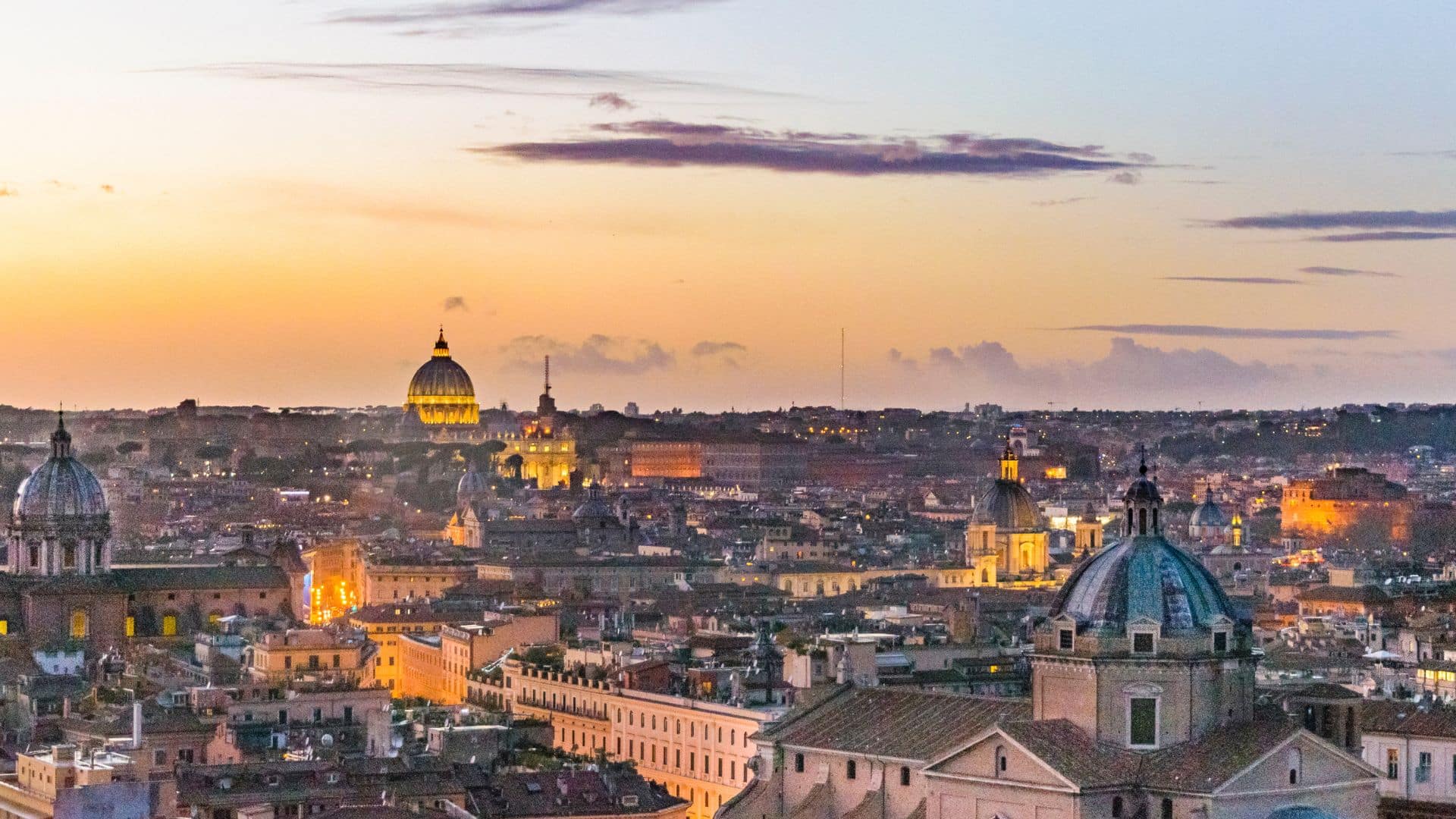
Italy's Enduring Allure: A Land of Deep Roots and Grandeur
The very name
Italy conjures images of ancient ruins, Renaissance masterpieces, sun-drenched vineyards, and plates piled high with pasta. Officially known as the Italian Republic, this parliamentary republic in Southern Europe is a cultural behemoth, a destination so rich and varied it consistently tops travel wish lists worldwide. Beyond the postcard-perfect scenes, Italy is a nation built on millennia of history, geographical wonders, and a vibrant modern identity.
Stretching across the distinct Italian Peninsula into the central Mediterranean Sea, Italy's land area encompasses approximately 301,340 square kilometers. Its terrain is breathtakingly diverse, transitioning from the majestic Alps in the north to the dramatic volcanic landscapes of the south, all framed by a magnificent coastline exceeding 7,600 kilometers. This geographical variety contributes to an equally diverse tapestry of regional cultures, cuisines, and dialects.
Historically, the term "Italia" first emerged in ancient Greek sources around the 6th century BCE, initially referring to the southern tip of the peninsula. Over centuries, as Roman expansion progressed, the Latin form "Italia" broadened its scope, eventually symbolizing the unified Italic territory under Roman administration. This rich heritage is a constant presence, nowhere more evident than in Rome, the capital and largest city. Emerging around the 8th century BCE, the ancient Roman Empire laid foundational stones for Western law, infrastructure, military organization, and republican governance, influencing civilizations for centuries. But Rome was just the beginning; the region also birthed the Renaissance in the 14th century, catalyzed by city-states like Florence, sparking a revival of arts, sciences, and humanism that propelled Europe into the modern era. To delve deeper into this incredible legacy, explore
Italy's Cultural Tapestry: From Roman Empire Foundations to Renaissance Art.
Today, Italy stands as the third-most populous member state of the European Union, with an estimated population of 59.1 million in 2025, despite facing demographic challenges like low birth rates and an aging population. Economically, Italy boasts the world's eighth-largest nominal GDP, driven by advanced manufacturing, high-value exports such as machinery and vehicles, a robust tourism sector, and agriculture producing premium goods like wine and olive oil. While contending with structural issues like public debt, Italy remains a pivotal player in transatlantic alliances and European integration as a founding member of the EU, NATO, and the OECD. For a comprehensive look at its economic strengths and challenges, read
Navigating Italy's Economic Landscape: GDP, Exports, and Public Debt.
Rome: The Eternal City and Gateway to Italy
For many first-time visitors,
Rome is the quintessential starting point for any Italian adventure, and for good reason. Italy's capital city is a globally renowned cultural and historical powerhouse, a living museum where ancient ruins seamlessly blend with vibrant modern life. From the awe-inspiring Colosseum and the sprawling Roman Forum, offering glimpses into the grandeur of the ancient Roman Empire, to the spiritual heart of Vatican City with St. Peter's Basilica and the Sistine Chapel, Rome is a city that demands exploration.
Beyond its monumental history, Rome offers tranquil parks, world-class museums, and a culinary scene ranging from traditional trattorias serving classic Cacio e Pepe to Michelin-starred establishments. The Trevi Fountain beckons with its legendary coin toss, promising a return to the Eternal City. While Rome is undeniably a must-see, the true magic of Italy lies in venturing beyond its ancient walls to discover the diverse landscapes, unique traditions, and regional treasures that define the rest of this extraordinary country.
Journeying North: Alpine Vistas, Renaissance Riches, and Culinary Delights
Northern Italy offers a remarkable array of experiences, from the dramatic peaks of the Dolomites to the sophisticated canals of Venice and the rolling hills of Tuscany. This region is a testament to Italy's immense diversity.
Lombardy: Fashion, Finance, and Lakeside Glamour
The vibrant region of
Lombardy is centered around
Milan, Italy's fashion and financial capital. Beyond its reputation for designer boutiques and dynamic business, Milan is home to artistic treasures like Leonardo da Vinci's "The Last Supper" and the magnificent Duomo di Milano. Just a short journey away, the serene beauty of Lake Como awaits, with its picturesque towns like Bellagio and Varenna offering luxurious retreats and stunning alpine backdrops.
Veneto: The Uniqueness of Venice
Further east lies
Veneto, dominated by the incomparable city of
Venice. A city built on water, its intricate network of canals, iconic gondolas, and historic architecture like St. Mark's Basilica and Doge's Palace create an utterly unique atmosphere.
Practical Tip: To avoid the largest crowds, consider visiting Venice during the shoulder seasons (April-May or September-October) or exploring its quieter sestieri (districts) away from the main tourist routes.
Tuscany: Rolling Hills, Art, and Epicurean Pleasures
Perhaps one of the most iconic regions,
Tuscany embodies the romantic ideal of Italy.
Florence, its capital, is the birthplace of the Renaissance, boasting unparalleled art in the Uffizi Gallery and the Accademia, and the architectural marvel of Brunelleschi's Duomo. Beyond Florence, the Tuscan countryside captivates with its cypress-lined avenues, medieval hill towns like
Siena (famous for its Piazza del Campo) and
San Gimignano, and world-renowned vineyards producing Chianti and Brunello.
Insight: Renting a car is highly recommended for exploring Tuscany's scenic backroads and charming villages at your own pace.
Piedmont and Liguria: Alpine Wine and Coastal Beauty
Venturing northwest,
Piedmont offers an elegant escape with Turin, a city of grand boulevards and royal palaces. This region is a gastronomic powerhouse, renowned for its Barolo and Barbaresco wines, white truffles, and rich cuisine. To the southwest, the dramatic coastline of
Liguria is home to the colorful cliffside villages of
Cinque Terre. These five charming towns — Monterosso al Mare, Vernazza, Corniglia, Manarola, and Riomaggiore — are best explored by hiking the scenic trails or taking the local train, offering breathtaking views of the Ligurian Sea.
Central and Southern Italy: Sun-Kissed Coasts, Ancient Wonders, and Island Escapes
Beyond the north, Italy unfolds into regions of intense history, vibrant traditions, and mesmerizing natural beauty, especially as you head south and to its magnificent islands.
Campania: Pizza, Pompeii, and the Amalfi Coast
The region of
Campania is a feast for the senses.
Naples, its bustling capital, is the birthplace of pizza and a city of raw, authentic Italian energy. Nearby, the haunting ruins of
Pompeii and Herculaneum, preserved by the eruption of Mount Vesuvius in 79 AD, offer an extraordinary window into ancient Roman life. The stunning
Amalfi Coast, with its cliff-hugging towns like Positano and Amalfi, is a UNESCO World Heritage site renowned for its dramatic beauty and sparkling Mediterranean waters.
Practical Tip: Visit Pompeii with a knowledgeable guide to truly appreciate the scale and significance of this ancient city.
Puglia: Trulli, Olives, and Adriatic Charms
Down in the heel of Italy's boot,
Puglia (Apulia) presents a unique landscape of ancient olive groves, pristine Adriatic beaches, and the distinctive white-washed
trulli houses of Alberobello. This region offers a more laid-back Italian experience, celebrated for its fresh seafood, orecchiette pasta, and robust olive oil.
Sicily and Sardinia: Mediterranean Jewels
Italy's major islands,
Sicily and
Sardinia, are worlds unto themselves, each boasting distinct cultures and breathtaking scenery.
Sicily, the largest island, is a melting pot of Greek, Roman, Arab, and Norman influences. It's home to the active volcano Mount Etna, spectacular Greek temples (like those in the Valley of the Temples in Agrigento), and Baroque masterpieces in towns like Noto. Its food is a vibrant fusion of its history.
Sardinia offers a rugged beauty with its emerald coast, pristine beaches, and ancient Nuragic ruins. It's an ideal destination for those seeking untouched nature, unique traditions, and crystal-clear waters.
Umbria: The Green Heart of Italy
Nestled in the central part of the peninsula,
Umbria is often called "the green heart of Italy" and offers a serene alternative to its more famous neighbor, Tuscany. With charming medieval towns like
Assisi (St. Francis's birthplace) and
Perugia, Umbria is rich in history, art, and delicious regional cuisine, including black truffles and Sagrantino wine, all without the same crowds.
Practical Tips for Your Italian Adventure
To make the most of your journey through Italy's diverse regions, consider these practical tips:
- Best Time to Visit: The shoulder seasons (April-May and September-October) offer pleasant weather, fewer crowds, and often better prices than the peak summer months.
- Transportation: Italy's train network is efficient and connects most major cities, making intercity travel convenient. For exploring rural areas like Tuscany or Puglia, renting a car offers greater flexibility. Within cities, public transport is generally excellent.
- Embrace Regional Cuisine: Every region boasts its unique culinary traditions. Don't just eat pizza in Rome or pasta in Florence; seek out local specialties like Milanese risotto, Neapolitan pizza, Venetian seafood, or Sicilian arancini. Participate in aperitivo culture, especially in the north, for pre-dinner drinks and snacks.
- Learn Basic Phrases: While English is widely spoken in tourist areas, learning a few Italian phrases (Buongiorno, Grazie, Per favore, Scusi) will greatly enhance your interactions and be appreciated by locals.
- Book in Advance: For major attractions, popular restaurants, and accommodation, especially during peak season, booking well ahead is crucial to avoid disappointment.
- Pack Smart: Comfortable walking shoes are a must. Dress respectfully when visiting churches and religious sites (shoulders and knees covered).
Conclusion
From the sophisticated elegance of its northern cities and alpine lakes to the ancient wonders and sun-drenched coasts of the south, Italy is a country of unparalleled diversity and charm. While
Rome rightfully stands as a magnificent testament to its glorious past, the true magic of Italy unfolds as you venture beyond its eternal embrace. Exploring Italy's diverse regions—be it the Renaissance heartland of Tuscany, the romantic canals of Venice, the dramatic cliffs of the Amalfi Coast, or the vibrant history of Sicily—reveals a continuous tapestry of culture, cuisine, and breathtaking landscapes. Each region tells a different story, inviting you to discover the countless facets of this extraordinary European jewel. So, pack your bags, prepare your senses, and embark on an unforgettable journey through the true depths of Italy.