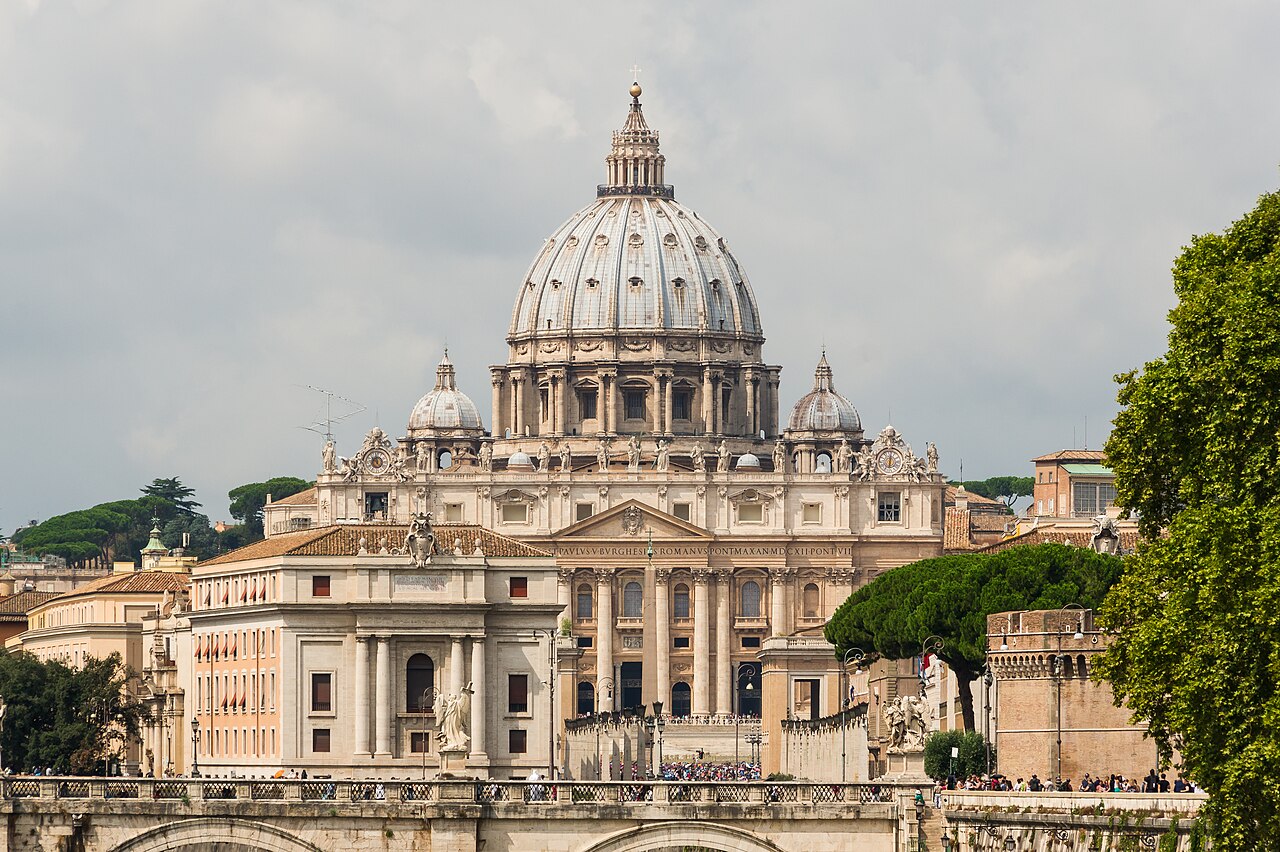
Italy's Cultural Tapestry: From Roman Empire Foundations to Renaissance Art
Few nations can boast a cultural lineage as rich, profound, and globally influential as Italy. Often hailed as a living museum, the Italian Republic is not merely a geographic entity in Southern Europe but a crucible where ancient civilizations forged the bedrock of Western society and where a renaissance of human ingenuity redefined art, science, and philosophy. From its iconic boot-shaped peninsula, extending into the central Mediterranean, to the major islands of Sicily and Sardinia and countless smaller islets, Italy’s diverse landscapes—from the majestic Alps in the north to volcanic terrains in the south—have cradled millennia of unparalleled historical and artistic development. It's a land where every cobblestone whispers tales of empires and artistic revolutions, making it a perennial bucket-list destination for travelers and scholars alike.
The Eternal City: Rome and the Genesis of Western Civilization
At the heart of Italy's enduring legacy lies Rome, the capital and largest city, a metropolis that proudly bears the scars and triumphs of its illustrious past. It was here, around the 8th century BCE, that the ancient Roman Empire began its ascent, eventually becoming the epicenter of a civilization that would irrevocably shape the Western world. The Romans were pioneering architects of governance, laying the foundational principles of Western law, republican governance, and military organization that have resonated through subsequent civilizations. Their infrastructure—from extensive road networks to aqueducts—was an engineering marvel, connecting vast territories and ensuring the empire's logistical strength. Indeed, the very concept of a unified "Italia" as a territory under Roman administration evolved from a name initially referring only to the southern tip, expanding progressively as Roman power grew.
Today, Rome is a globally renowned cultural and historical powerhouse, where the echoes of emperors and gladiators are palpable. Visitors can walk among the ruins of the Roman Forum, marvel at the enduring grandeur of the Colosseum, or stand in awe of the Pantheon, a testament to Roman architectural genius. But Rome is more than its ancient ruins; it's a vibrant modern city where Michelin-starred restaurants sit alongside trattorias, and tranquil parks offer respite from the urban bustle. To truly grasp Rome's significance, one must not merely observe its monuments but imagine the daily life that unfolded within its walls, connecting the dots between its ancient splendor and its contemporary charm. It's an indispensable stop for anyone looking to understand the profound diversity of Italy's regions and destinations.
The Rebirth of Ideas: Italy and the Renaissance Revolution
Centuries after the fall of the Roman Empire, Italy once again ignited a cultural inferno: the Renaissance. Beginning in the 14th century in prosperous city-states like Florence, this period marked a profound rebirth of classical antiquity's arts, sciences, and humanism. It wasn't just a revival; it was a revolution that propelled Europe out of the medieval era and into modernity. Italian Renaissance masters broke new ground in every field imaginable, driven by a fervent curiosity about the human condition and the natural world.
Figures such as Leonardo da Vinci, a polymath whose genius spanned art, science, and engineering, and Michelangelo, whose sculptures and frescoes remain unparalleled in their power and beauty, epitomized this era. Innovations in perspective, anatomy, and secular inquiry transformed painting and sculpture, allowing artists to create works of breathtaking realism and emotional depth. Humanism shifted focus from divine concerns to human potential and achievement, fostering an environment where intellectual and artistic expression flourished. Exploring the Uffizi Gallery in Florence, climbing the Duomo, or wandering through the Vatican Museums offers direct engagement with these masterpieces, allowing visitors to witness the explosion of creativity that forever changed the course of art history.
A Land Forged by History and Geography: Italy's Unique Identity
Italy's unique cultural tapestry is inextricably linked to its distinctive geography and the historical evolution of its name. The term "Italia" itself has ancient roots, appearing in Greek sources around the 6th century BCE, initially referring to the southern tip of the peninsula. Its etymology is often linked to the Oscan word Víteliú, meaning "land of young cattle" or "calf land," reflecting the pastoral associations of early Italic tribes. As Roman expansion progressed, the Latin form "Italia" gradually encompassed the entire peninsula, symbolizing a unified territory long before political unification in the 19th century.
With a land area of approximately 301,340 square kilometers and a coastline exceeding 7,600 kilometers, Italy's diverse terrain has fostered a rich regionalism that continues to define its cultural identity. From the sophisticated alpine traditions of the north to the sun-drenched, ancient influences of the south, each region offers its own distinct dialects, cuisines, and artistic expressions. Today, with an estimated population of 59.1 million in 2025, Italy ranks as the third-most populous EU member state. However, it faces demographic challenges, including low birth rates and an aging population, which are shaping its social and economic future. This complex interplay of ancient history, diverse geography, and evolving demographics makes Italy a country of endless fascination, where every town and village holds a piece of a larger, mesmerizing mosaic.
Beyond the Artistic Canvas: Italy's Enduring Global Influence
While celebrated for its art and history, Italy's influence extends far beyond its cultural institutions. Economically, Italy maintains the world's eighth-largest nominal GDP, estimated at approximately $2.54 trillion. This robust economy is driven by advanced manufacturing, high-value exports such as machinery, luxury vehicles (think Ferrari and Lamborghini!), and fashion, making "Made in Italy" a global hallmark of quality and style. Furthermore, its robust tourism sector, fueled by its unparalleled attractions, and an agriculture sector producing premium goods like world-renowned wines and olive oils, contribute significantly to its economic prowess. Despite facing structural issues like public debt exceeding 140% of GDP and regional disparities, Italy's economic resilience and innovation are undeniable.
On the international stage, Italy plays a pivotal role as a founding member of the European Union, NATO, and the Organisation for Economic Co-operation and Development (OECD). Its commitment to transatlantic alliances and European integration underscores its continued importance in global politics and economics. This combination of historical depth, artistic brilliance, economic strength, and diplomatic engagement paints a complete picture of a nation that has consistently shaped, and continues to influence, the world. To delve deeper into its financial landscape, explore topics like Navigating Italy's Economic Landscape: GDP, Exports, and Public Debt.
In conclusion, Italy is far more than a collection of picturesque cities and ancient ruins; it is a dynamic, living narrative that began with the foundations of the Roman Empire and blossomed into the artistic splendor of the Renaissance. It's a testament to human achievement, a source of endless inspiration, and a vibrant nation that continues to contribute significantly to global culture, economy, and diplomacy. To experience Italy is to walk through centuries of history, savor exquisite flavors, and witness the enduring spirit of creativity and innovation that defines this truly exceptional country.